Yes. You can start now.
If you are a Muslim woman who has never learned to read the Quran, you may feel embarrassed, nervous, or simply unsure about where to begin. Perhaps you learned other things growing up but never had the opportunity to learn Quran reading. Maybe you tried before and found Arabic letters difficult. Or perhaps life simply became busy.
Learning to read the Quran is a skill. Like any skill, it begins with the basics and develops through regular practice. You do not need to open the Quran and magically know how to read it. You need a clear starting point, patient instruction, and a learning routine that fits your life.
The Quran itself encourages believers to recite what is manageable for them. Surah Al Muzzammil 73:20 tells believers to recite what is easy from the Quran.
So if you are asking, “Can I start learning Quran as an adult?” the answer is simple: yes, you can.
Is It Too Late to Learn Quran?
No.
There is no age at which learning the Quran becomes pointless. You may be starting at 20, 30, 40, 50, or later. Your starting point matters more than the age at which you begin.
You also do not need to compare yourself with someone who has been reading since childhood.
If another sister can read a full page comfortably while you are still learning Arabic letters, that does not make your journey less valuable. You are simply at a different stage.
“The best among you are those who learn the Qur'an and teach it.”
— Narrated by Uthman ibn Affan (RA) in Sahih al Bukhari (Hadith 5027).
Learning is therefore not something you should feel ashamed of. It is a meaningful part of developing your relationship with the Quran.
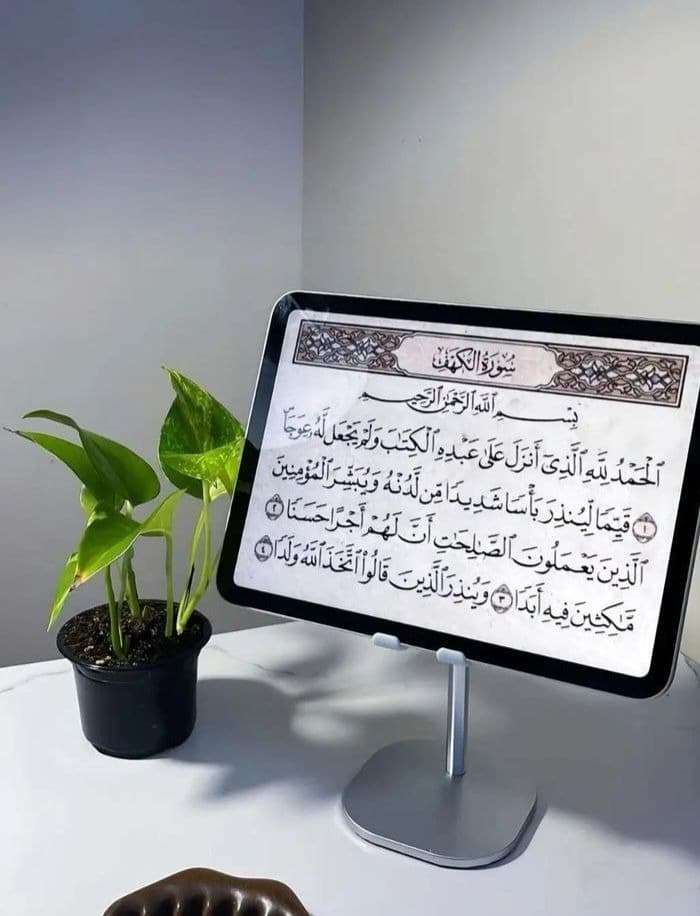
It is never too late to open the Holy Quran. Every step you take as a beginner brings immense spiritual closeness and reward.
What If I Do Not Know Arabic at All?
That is completely fine.
You do not need to speak Arabic before you begin learning Quran reading.
Reading the Quran and understanding the Arabic language are related but different skills. Your first goal can simply be learning how to recognize Arabic letters, understand their sounds, and combine them correctly.
This is where a beginner resource such as Noorani Qaida can help. Noorani Qaida introduces learners to Arabic letters, their sounds, vowel marks, connected letters, and basic reading patterns before they move into regular Quranic text. Current beginner guides commonly recommend this type of structured progression for people starting from the beginning.
Think of it like learning the alphabet before reading a full book.
You would not expect someone who has never learned English letters to immediately read a complicated novel. Quran reading deserves the same patient foundation.
Where Should a Complete Beginner Start?
If you have never read the Quran before, do not worry about finishing Surahs quickly.
Start with the foundations. A practical beginner pathway looks like this:
Learn the Arabic Letters
First, become familiar with the Arabic alphabet. Learn to recognize each letter and understand its basic sound. Some Arabic sounds may feel unfamiliar at first, especially if your first language does not contain similar sounds. That is normal. The goal at this stage is recognition and pronunciation, not speed.
Learn How Letters Connect
Arabic letters can appear in different forms depending on their position in a word (beginning, middle, end, or isolated). Once you recognize individual letters, you need to learn how they work together. This step helps you move from recognizing separate letters to reading simple combinations.
Learn Basic Vowel Marks
Next, you begin working with signs that affect pronunciation (Fathah, Kasrah, Dammah, Sukoon, and Tanween). A beginner course normally introduces basic vowel sounds and gradually builds toward more complex reading patterns. This is where consistent practice becomes important.
Start Reading Simple Quranic Words
Once your foundation becomes stronger, you can begin reading Quranic words and short passages. You may read slowly. That is perfectly acceptable. Accuracy comes before speed.
Improve Pronunciation and Tajweed
After developing basic reading ability, you can work on Tajweed and pronunciation. A teacher can listen to your recitation and identify mistakes that may be difficult for you to notice yourself. This is particularly useful for sounds that do not exist in English or other languages.
Do I Need a Female Quran Teacher?
You do not have to learn in the same way as everyone else.
Some sisters prefer learning independently through books or recorded lessons. Others feel more comfortable with a teacher who can listen to their recitation and correct mistakes immediately.
For many adult sisters, a female Quran teacher can provide a comfortable learning environment where they can ask questions and practice without feeling embarrassed.
OQTutor offers online Quran classes with certified female teachers for sisters and children. Its female Quran teacher program includes beginner instruction through courses such as Noorani Qaida, Quran Reading, Tajweed, and Hifz.
If you are starting from zero, a private lesson can also make it easier to explain exactly what you already know and what you need to learn next.
You do not have to pretend that you know more than you do.
A good teacher needs your real starting point, not an impressive one.
What If I Feel Embarrassed About Not Knowing?
This may be one of the biggest obstacles.
But that thought does not teach you anything. It only makes starting harder.
Everyone has a different learning history. Some people grew up attending Quran classes. Others did not have access to them. Some learned as children and forgot much of what they knew. Others are learning for the first time as adults.
Your previous experience does not determine what you can learn now.
A Mindset Shift for Adult Learners:
Instead of asking, “Why did I not learn this earlier?” try asking, “What can I learn today?” That question leads somewhere useful.
How Much Time Should I Spend Learning Quran?
You do not need to begin with a huge study schedule.
A manageable routine is usually easier to maintain than an unrealistic one.
You could set aside a regular period for learning, depending on your personal schedule and teacher's recommendations. During that time, focus on one small skill instead of trying to master everything at once.
For example, one session might focus mainly on letter recognition. Another may involve connecting letters and reading simple combinations.
The important thing is to practise what you are learning.
Quran 73:20 specifically mentions reciting what is easy, which supports a gradual approach rather than treating Quran recitation as a race.
Your goal is not to impress anyone with speed. Your goal is to become comfortable reading correctly.
Should I Use Transliteration?
Transliteration can sometimes help a beginner understand how a word may sound, but it should not become a replacement for learning the Arabic script.
Arabic contains sounds that English spelling cannot represent perfectly. That is one reason beginner Quran programs focus on learning the Arabic letters and their correct pronunciation.
If you depend entirely on English letters, you may continue avoiding the actual Arabic reading skill you want to develop.
Use transliteration carefully as a temporary aid when appropriate, while continuing to learn Arabic script.
The long term goal should be to read the Quran directly from Arabic.
What If I Make Mistakes While Reading?
You probably will. And that is part of learning.
A beginner may confuse letters, pause in the wrong place, pronounce a sound incorrectly, or need several attempts to read a word.
Do not treat every mistake as evidence that you cannot learn. Treat it as information.
If a teacher corrects your pronunciation, repeat it. If you struggle with a particular letter, practise it again. If a reading pattern feels difficult, slow down and work through it.
Can I Learn Quran Online as an Adult Sister?
Yes.
Online Quran learning can give adult sisters access to private lessons without requiring them to travel to a physical classroom.
OQTutor describes its adult Quran classes as private one on one sessions designed around the student's starting level and learning needs. Its female Quran teacher program is specifically presented for sisters, children, and teenagers.
This type of learning can be useful if your schedule changes frequently or if you feel more comfortable learning from home.
The important part is not whether the class happens online or in person. The important part is whether the learning approach gives you clear instruction, opportunities to practise, and useful correction.
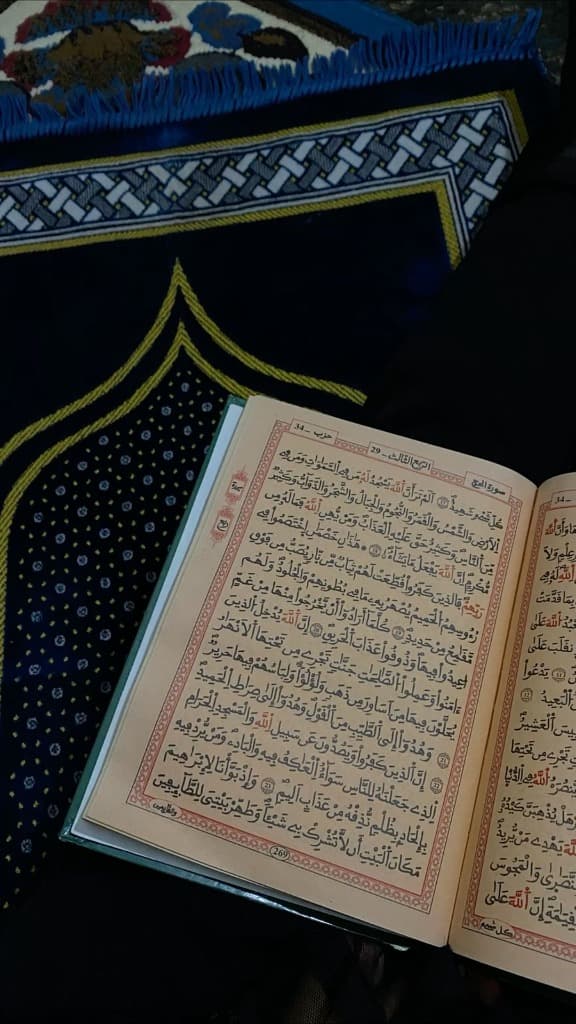
Online Quran classes allow sisters to learn in privacy and comfort from home on a tablet or computer with qualified female teachers.
What Should My First Quran Learning Goal Be?
Do not make your first goal “I want to finish the Quran.” That is a long term objective.
Start smaller. Your first goal might be:
Small achievements matter. The first time you recognize a letter without help, read a combination correctly, or complete a short passage that once looked impossible, you have made real progress.
A Simple Starting Plan for Sisters
If you are completely new, keep your first steps simple.
Week One: Arabic Letters
Week 1Focus on recognizing letters and learning their sounds. Do not worry about reading quickly.
Week Two: Letter Combinations
Week 2Begin working with connected letters and simple reading patterns. Repeat difficult combinations until they become familiar.
Week Three: Reading Confidence
Week 3Start reading short combinations and simple Quranic words with guidance. Ask your teacher to correct pronunciation where necessary.
Week Four: Foundation Building
Week 4Keep practising and gradually introduce more Quranic reading. Connect vowels and short verses steadily.
Your exact pace may be faster or slower. There is no reliable single timeline that applies to every learner. OQTutor also notes that progress varies according to starting level, lesson frequency, and home practice.
The important thing is steady learning rather than comparing your progress with someone else's.
You Are Not Too Late
If you have never read the Quran before, you may feel like you have missed your chance.
You have not.
You can begin with one letter. Then another. Then a sound. Then a word. Eventually, the page that once looked unfamiliar starts becoming readable.
The Quran reminds believers not to despair of Allah's mercy. Surah Az Zumar 39:53 tells believers not to despair of Allah's mercy and describes Him as Forgiving and Merciful.
So do not let embarrassment become the reason you never begin.
You do not need to know everything before taking the first lesson. You only need to take the first step.
Ready to Start Learning Quran?
If you are a sister who has never read the Quran, begin with the basics and give yourself permission to learn slowly.
A structured Noorani Qaida course can help you build the reading foundation before moving into regular Quran recitation. With guidance from a suitable teacher, you can work on letters, pronunciation, reading, and eventually Tajweed according to your level.
OQTutor provides online Quran learning options for adult students and female learners, including private lessons with female Quran teachers.
You do not need to wait until you feel ready. Sometimes, the lesson is what makes you ready.
Start Your Quran Reading Journey with a Female Teacher
Book a free 1-on-1 trial class with certified female Quran teachers at OQTutor. Experience patient, supportive instruction in total comfort and privacy.
Frequently Asked Questions
Q:Can I start learning Quran as an adult woman?
Yes. There is no age limit to learning the Quran. Many adult sisters begin with zero Arabic knowledge and learn step by step with patient instruction.
Q:Do I need to speak or understand Arabic before reading Quran?
No. Quran reading is a phonetic skill. You start with Arabic letter recognition and sounds through Noorani Qaida without needing to speak conversational Arabic.
Q:Can I request a female Quran teacher for my lessons?
Yes. OQTutor provides certified female Quran teachers (Alimas and Qariahs) for sisters and children, offering a comfortable, private 1-on-1 learning environment.
Q:How long does it take for a beginner sister to learn to read Quran?
With consistent 1-on-1 lessons and short daily practice, most beginners complete the foundational Qaida within 3 to 5 months and start reading Quranic passages independently.
Q:What if I feel nervous or embarrassed about making mistakes?
Mistakes are a completely normal and necessary part of the learning journey. A dedicated teacher provides gentle correction and helps you build confidence one step at a time.
Q:Should I use English transliteration to read Quran?
Transliteration can be used briefly as an introductory aid, but it cannot represent unique Arabic phonetics accurately. The recommended approach is learning Arabic letters directly.
Sources & References
- Sahih al-Bukhari, Hadith 5027: The virtue of learning and teaching the Holy Quran.
- Quran.com, Surah Al-Muzzammil 73:20: Instruction to recite what is easy from the Quran.
- Quran.com, Surah Az-Zumar 39:53: Divine reassurance never to despair of Allah's mercy.
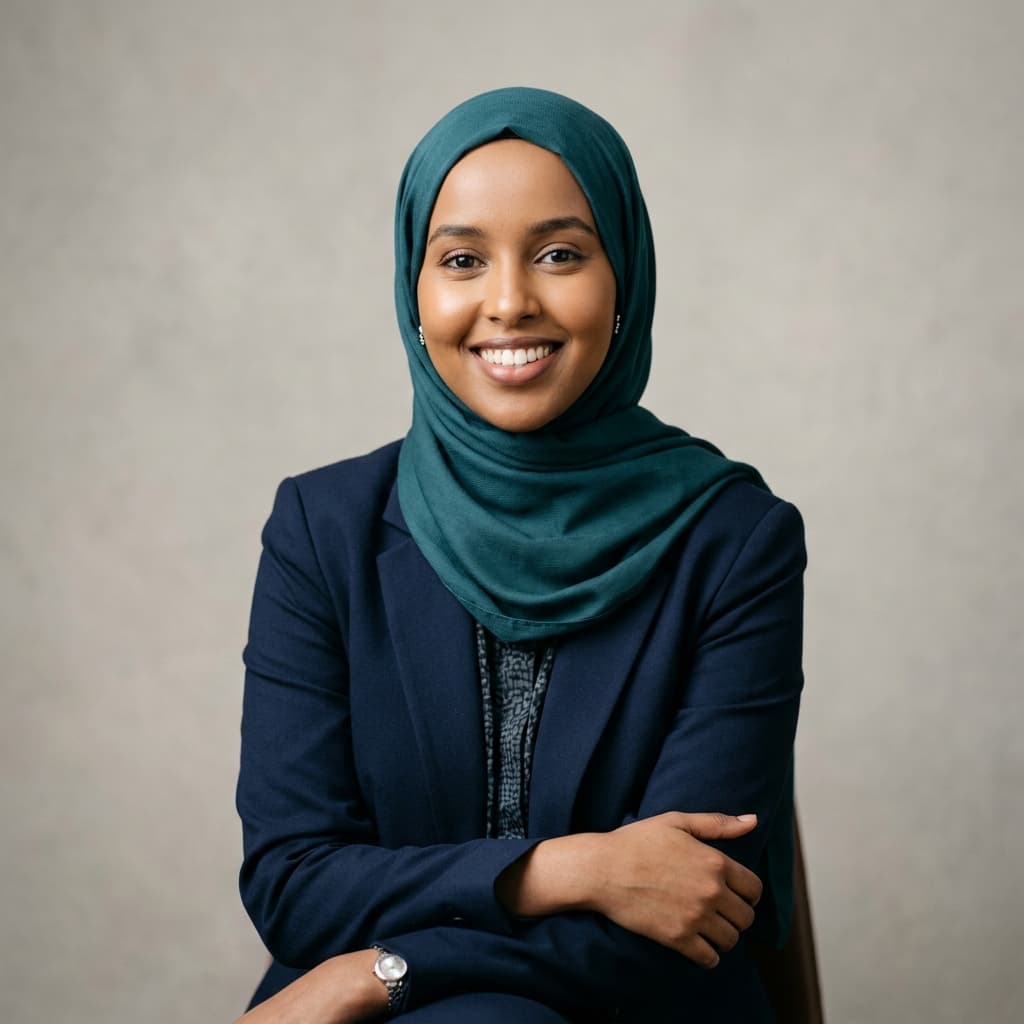
Ustadha Fatima Al-Zahra
Author & Senior Female ScholarSenior Female Quran & Tajweed Scholar • Alimiyyah Degree Graduate
Ustadha Fatima Al-Zahra is a certified female Quran and Tajweed teacher at OQTutor with over 7 years of experience teaching adult sisters, new Muslims, and young girls from around the world. She specializes in supportive, step-by-step Noorani Qaida instruction and helping adult beginners build recitation confidence from zero.