When learning how to recite the Holy Quran, students often encounter the terms Tajweed and Tarteel. While both are essential to proper Quranic recitation, they are not synonyms. Tajweed refers to the rules and mechanics of correct Arabic pronunciation and articulation, ensuring every letter is pronounced from its authentic source. Tarteel, on the other hand, describes reciting the Quran in a measured, clear, and deliberate manner that encourages reflection and understanding.
Understanding the distinction between these two concepts helps students focus not only on technical phonetic accuracy, but also on the contemplative spirit with which the Quran was revealed to be recited.
What Is the Difference Between Tajweed and Tarteel?
Tajweed and Tarteel are closely related aspects of Quranic recitation, but they describe different dimensions. Tajweed provides the foundational rules and principles for correct letter pronunciation, articulation points, and phonetic characteristics. Tarteel refers to reciting the Quran in a measured, clear, and deliberate manner with contemplation, as commanded in Quran 73:4. In short, Tajweed ensures phonetic accuracy, while Tarteel emphasizes the manner, pace, and attentiveness of recitation.

Tajweed builds accurate letter pronunciation, while Tarteel allows the reciter to recite with calm reflection and presence of heart.
What Is Tajweed?
Linguistically, the word Tajweed (تجويد) originates from the Arabic root j-w-d (ج-و-د), which means to make something excellent, proficient, or beautiful. In Islamic terminology, Tajweed is the applied science of giving every Arabic letter its rightful pronunciation by observing its intrinsic characteristics and rules.
As a structured discipline, Tajweed encompasses several core phonetic areas:
1. Makharij al-Huruf (Articulation Points)
The specific anatomical origins of Arabic letters—from the throat, tongue, lips, nasal cavity, or oral cavity.
2. Sifat al-Huruf (Letter Characteristics)
The unique phonetic qualities of letters, such as heaviness (Tafkheem), lightness (Tarqeeq), whisper (Hams), or strength (Shiddah).
3. Rules of Madd (Prolongation)
The duration for extending long vowels (2, 4, 5, or 6 counts) based on neighboring letters and hamzah triggers.
4. Ghunnah & Nasalization Rules
Rules governing Noon Sakinah and Tanween (Izhar, Idgham, Iqlab, Ikhfa), as well as Meem Sakinah and Qalqalah (echoing sounds).
Because Tajweed deals with precise acoustic and physical articulation, self-study through books or apps alone is rarely sufficient. A qualified Quran teacher is essential to listen to your recitation, identify subtle phonetic errors, and provide direct real-time correction.
What Is Tarteel?
Unlike Tajweed, which developed as a formal codified discipline by classical phonetic scholars, Tarteel (ترتيل) is a direct divine command found within the Quran itself. In Surah Al-Muzzammil, Allah commands:
وَرَتِّلِ الْقُرْآنَ تَرْتِيلًا
"...and recite the Quran in a measured, distinct manner." — Surah Al-Muzzammil (73:4)
Linguistically, the root r-t-l conveys the idea of organization, symmetry, and even spacing. In the context of Quran recitation, Tarteel means reciting without undue haste, giving each letter and word its distinct clarity, pausing at natural junctures, and engaging the heart with the meanings being recited.
Importantly, Tarteel is not merely "reading slowly." An artificially slow recitation that lacks presence of mind or correct pronunciation does not fulfill Tarteel. Rather, Tarteel is a balanced, deliberate pace that allows the tongue to pronounce clearly while the mind contemplates the divine message.
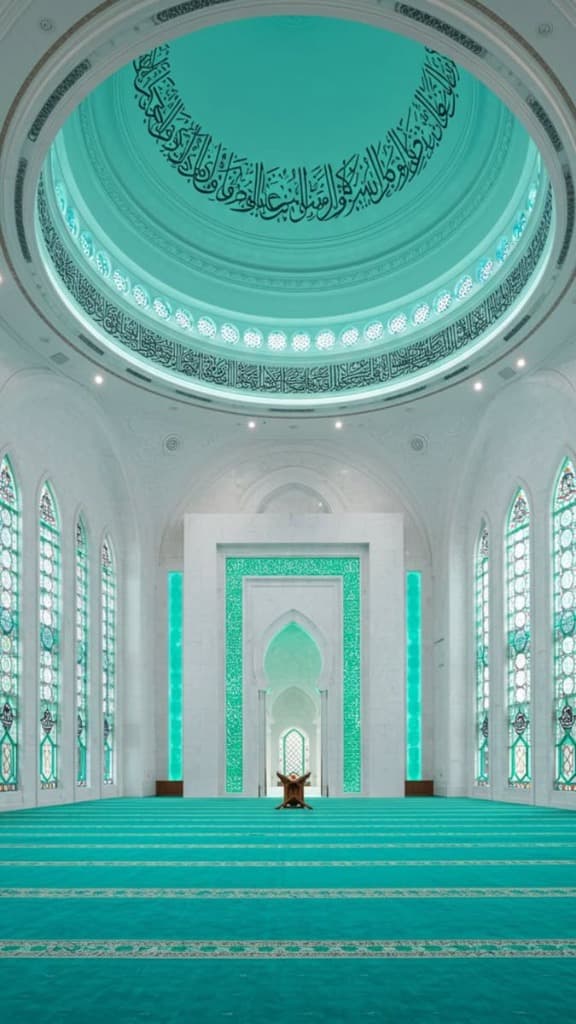
Tarteel encourages unhurried recitation that allows contemplation (Tadabbur) to take root in the heart.
Tajweed vs Tarteel: Key Differences
The table below highlights how Tajweed and Tarteel complement each other while addressing different facets of recitation:
| Feature | Tajweed | Tarteel |
|---|---|---|
| Main focus | Correct pronunciation, articulation points, and phonetic rules. | Measured, clear, and deliberate manner of recitation. |
| Main question | "Are the letters and recitation rules articulated correctly?" | "Am I reciting clearly, without haste, and with understanding?" |
| Includes | Makharij, Sifat, Madd, Ghunnah, Noon/Meem rules, and Qalqalah. | Appropriate pacing, distinct words, pause observance, and reflection. |
| Quranic connection | Applied in proper recitation as practiced by the Prophet ﷺ. | Explicitly commanded in Surah Al-Muzzammil (Quran 73:4). |
| How to improve | Systematic rule study, phonetic drills, and qualified teacher feedback. | Deliberate pacing, avoiding rush, and studying basic verse meanings. |
| Relationship | Supports technical and phonetic accuracy. | Describes the overall manner, pace, and spirit of recitation. |
Tajweed vs Tarteel vs Tilawah
Many students also wonder how Tilawah fits into this picture. These three terms often overlap in everyday conversation, but they serve distinct functions:
Tilawah (تلاوة)
The general act of reciting or reading the Quran aloud. It describes the practice of recitation itself.
Tajweed (تجويد)
The technical rules and phonetic discipline ensuring every Arabic letter is articulated accurately.
Tarteel (ترتيل)
The commanded manner of reciting clearly, at a measured pace, with contemplation and reverence.
Summary: Tilawah is the act of reciting, Tajweed ensures the recitation is phonetically correct, and Tarteel describes reciting in a clear, measured, and contemplative manner.
Does Tarteel Mean Reading the Quran Slowly?
No. Tarteel does not simply mean reciting the Quran at a slow speed. While a measured pace naturally accompanies Tarteel, speed alone is not the defining criterion.
If a person recites very slowly while mispronouncing letters, elongating vowels excessively, or letting their mind wander, that recitation does not embody Tarteel. Conversely, an experienced reciter reading at a moderate pace with clear diction, proper Tajweed, and deep mental focus is actively fulfilling Tarteel.
Classical scholars emphasize that Tarteel means reciting deliberately rather than dragging out words. The goal is to prevent the tongue from outracing the mind so the heart has time to reflect upon the verses.
What Does the Quran Say About Tarteel?
The primary Quranic reference for Tarteel is in Surah Al-Muzzammil (73:4). In classical commentaries, scholars have explained this verse with great care:
- Imam Ibn Kathir explained that the command to recite with Tarteel means to recite slowly and distinctly, which aids in understanding and contemplating the Quran.
- Early Companions, such as Abdullah ibn Mas'ud (may Allah be pleased with him), advised learners not to scatter the Quran like dry sand or rush through it like reciting poetry, but rather to pause at its wonders and move hearts with its recitation.
These classical explanations demonstrate that Tarteel is directly tied to reverence, clarity, and reflection rather than mere mechanical speed.
How Tajweed and Tarteel Work Together
Tajweed and Tarteel are best understood as complementary partners in Quranic recitation:
- Tajweed provides the rules: It prevents the reciter from altering meanings through faulty pronunciation or misapplied vowel extensions.
- Tarteel provides the atmosphere: It prevents the reciter from treating recitation as a rushed mechanical exercise without presence of heart.
Students do not need to finish Tajweed before beginning Tarteel. From the first day a beginner starts reading short Surahs, they can apply the Tajweed rules they know while maintaining a calm, unhurried pace. Tajweed is a lifelong standard of precision, not a temporary beginner phase.
Simple Example of Tajweed vs Tarteel
Consider a student reciting Surah Al-Fatihah:
The Tajweed Dimension:
The student ensures the letter ‘Ayn (ع) in ‘Alameen comes from the middle of the throat, distinguishes the Haa (ح) in Ar-Rahman from a breathy Haa (هـ), and extends the Madd in Ad-Daalleen for exactly six counts with appropriate heaviness (Tasqeel).
The Tarteel Dimension:
The student recites verse by verse with natural breath pauses at each Waqf, avoids rushing to the next ayah, and internalizes the praise, mercy, and guidance expressed in each sentence.
Here, Tajweed delivers technical precision, while Tarteel delivers measured pacing and spiritual attentiveness.

Combining precise Tajweed rules with deliberate Tarteel creates a beautiful, reverent recitation.
How to Practice Tajweed and Tarteel Together
To cultivate both technical accuracy and deliberate pacing, follow these five practical steps:
Learn foundational Tajweed rules
Build confidence in letter articulation points and basic rules. For a beginner roadmap, see our guide on mastering Tajweed rules at home.
Practice difficult letters individually
Focus on tricky throat and emphatic letters (like Qaf, Khaf, Daad, and Dhaa) before joining them into longer Quranic passages.
Recite at a deliberate, unhurried pace
Resist the temptation to speed through familiar Surahs. Give every letter its full timing, vowel count, and nasalization (Ghunnah).
Pause appropriately at Waqf marks and verse ends
Use natural stopping points to breathe calmly and reflect on the message of the verse before continuing.
Have a qualified Quran teacher correct your recitation
Regular feedback from an experienced Quran tutor ensures pronunciation mistakes are caught early before they become ingrained habits.
What Are the Three Common Speeds of Quran Recitation?
In classical Tajweed texts, scholars discuss three recognized speeds or paces of recitation. It is important to note that these are not three different Tajweed systems—rather, proper Tajweed rules apply equally to all three:
1. Tahqiq (التحقيق)
A slow, meticulous, and deliberate pace where every letter, vowel elongation, and characteristic is given its fullest measure. Commonly used in instructional settings and beginner practice.
2. Tadwir (التدوير)
A balanced, medium pace situated between Tahqiq and Hadr. This is the most common pace used during daily congregational and individual prayers (Salah).
3. Hadr (الحدر)
A swift, fluent pace often used by Hafiz students for extensive daily revision (Muraja'ah). Even at this faster speed, letters must never be merged improperly or truncated.
What Is the Difference Between Murattal and Mujawwad?
In recorded recitations and Quran broadcasts, you will frequently see recordings labeled as either Murattal or Mujawwad. These describe distinct recitation styles rather than separate rulebooks:
- Murattal (مُرَتَّل):A straightforward, steady, and measured recitation style focused on clarity, rhythm, and instructional precision. It is widely used for individual prayer, memorization, and daily study (e.g., recordings of Shaykh Mahmoud Khalil Al-Husary).
- Mujawwad (مُجَوَّد):An elaborate, melodic recitation style characterized by dynamic vocal modulation, extended breath control, and expressive maqamat intervals, commonly heard in formal gatherings and recitation assemblies (e.g., recordings of Shaykh Abdul Basit Abdul Samad).
Both styles strictly adhere to the same underlying Tajweed rules; the primary difference lies in musicality, pacing, and vocal delivery.
Frequently Asked Questions
Is Tarteel the same as Tajweed?
No. Tajweed refers to the technical rules of correct pronunciation, articulation points, and vowel characteristics. Tarteel describes the commanded manner of reciting the Quran in a measured, distinct, and reflective state as outlined in Quran 73:4.
Does Tarteel mean reading slowly?
No. Tarteel does not simply mean reciting slowly. While measured pacing naturally results from Tarteel, true Tarteel emphasizes reciting without rushing, articulating each letter distinctly, pausing appropriately, and contemplating the meaning of the verses.
Is Tajweed important for Quran recitation?
Yes. Tajweed preserves the authentic pronunciation of the Quranic text as revealed. Correct application of Tajweed rules prevents mispronunciations that could alter word meanings, ensuring the Quran is recited accurately and respectfully.
Can I learn Tajweed and Tarteel together?
Yes. Students learn Tajweed rules for phonetic accuracy while practicing Tarteel by reciting at a measured pace, avoiding haste, and reflecting on the meaning. A qualified teacher helps align correct pronunciation with deliberate recitation.
What are the three common speeds of Quran recitation?
Classical scholars identify three recognized recitation speeds: Tahqiq (a slow, meticulous pace used primarily for teaching and practice), Tadwir (a moderate, medium pace common in daily prayers), and Hadr (a swift pace used for revision), all of which must strictly maintain proper Tajweed rules.
What is the difference between Murattal and Mujawwad?
Murattal is a straightforward, measured recitation style focused on clear, consistent reading for study and devotion. Mujawwad is an elaborate, melodic style featuring dynamic vocal modulations used in formal gatherings and recitation assemblies. Both styles require strict adherence to Tajweed.
What is the difference between Tajweed, Tarteel and Tilawah?
Tilawah is the general act of reciting the Quran. Tajweed provides the foundational rules for accurate letter pronunciation and phonetic characteristics. Tarteel describes the commanded manner of reciting in a clear, measured, and reflective state.
Improve Your Tajweed with a Qualified Teacher
If you want help improving your Quran pronunciation, a qualified Quran teacher can listen to your recitation live, identify Tajweed mistakes, and guide you through consistent, personalized practice.